
Tips on How to be a Together (Ish) Teacher
Tips on How to be a Together (Ish) Teacher
Starting your teaching journey is exciting—but it can also feel overwhelming when lesson plans, student data, and classroom materials start piling up. Organization isn’t just about color-coded bins or tidy desks; it’s about creating systems that help you work smarter, not harder. For beginning teachers, developing strong organizational habits early on can make a world of difference—reducing stress, saving time, and allowing more energy to focus on what matters most: your students. This post is intended to give you some tips for organizing your teacher life and teacher space and uses resources from The Together Teacher by Maia Heyck-Merlin.
The first tip aligns to student and teacher organization. Seating arrangements are fundamental in a classroom because they directly influence how students learn, interact, engage AND helps to keep you organized. The physical layout of a classroom isn’t just about where students sit — it’s about creating an environment that supports focus, collaboration, and effective teaching. Seating arrangements within your classroom not only promote engagement and participation but also enhance management. Check out the link here to find which arrangement fits your classroom, unit or lesson you are engaging in.
The second tip focuses on identifying if you are a digital or paper and pencil organizer, or if you are a mix of both. Identifying this will help you learn how to build strong organizational systems into your professional and personal lives. Click here to take a brief quiz to help guide your reflection.
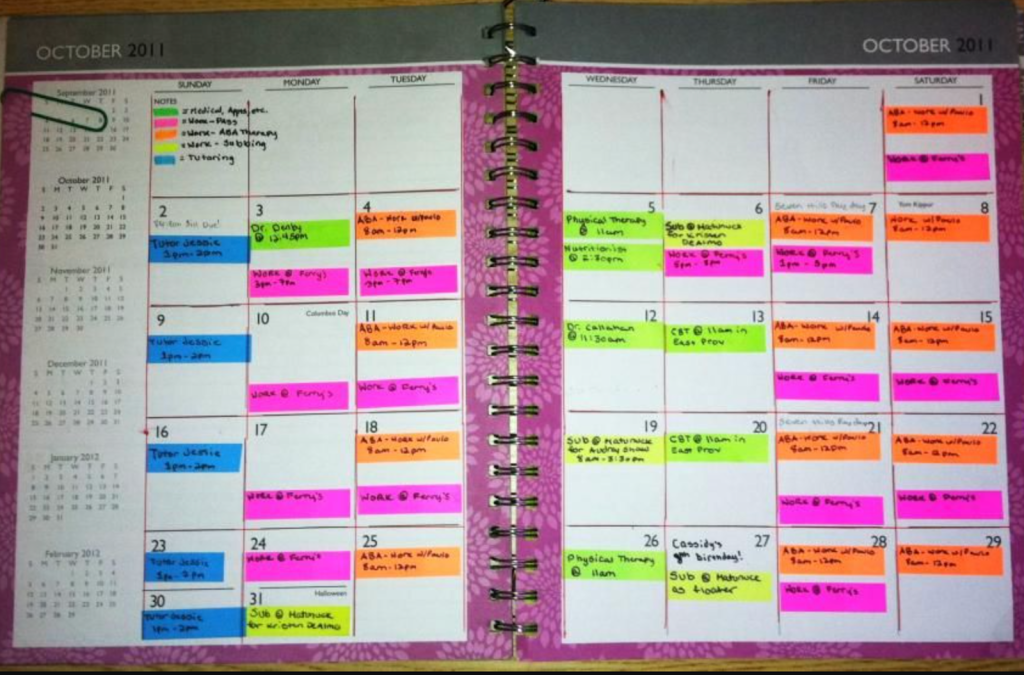
The final and most impactful tip I found and which I would have known when I was in my first few years of teaching is to set a meeting with yourself at the end of each week or the beginning of the next week is a great way to help you stay organized. The purpose of the meeting is to identify the following:
- A consistent weekly routine that helps you clean up the week prior and plan for the week ahead.
- Identify what the fixed items (PLC planning meetings, whole school meetings, etc.) that are expectations that can’t be adjusted. Calendar those into your paper based planner or your digital calendar.
- Next identify the soft items; those things that are expectations but are not time sensitive (pre-planning for the next unit, parent phone calls, etc).
- Identify those personal things you would like to achieve for the next week (working out, trivia with friends, etc.)
A meeting with yourself not only gives you the opportunity to clean up those last minute tasks from the week prior but also to calendar prioritize your next week and calendar those items out ahead of time. I have linked here a great reflection tool to help you jump start your organizational journey! Think about your must do’s may do’s and things that can wait until the next week.
Organization grows with practice! Choose one strategy from this post to try this week. Whether it’s a color-coded planner or a five-minute cleanup routine, consistency will help you feel more in control—and ready to thrive in your classroom.
Contributors: Maghan Kirschner & Patricia McRhoads, University of North Carolina at Charlotte
Reference: The Together Teacher by Maia Heyck-Merlin @ The Together Group